
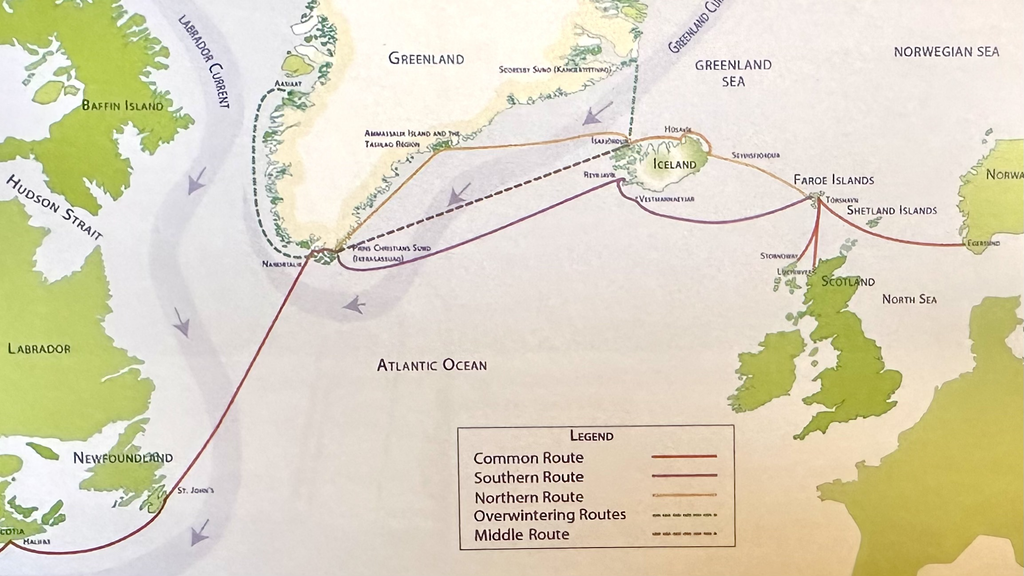
From the moment we decided to take the ‘Viking Route’ to Europe, we were convinced that St. John’s would be our departure point. The Viking Route is a high-latitude North Atlantic Passage that connects North America and Europe by way of Newfoundland, Greenland, Iceland, and the Faroe Islands.
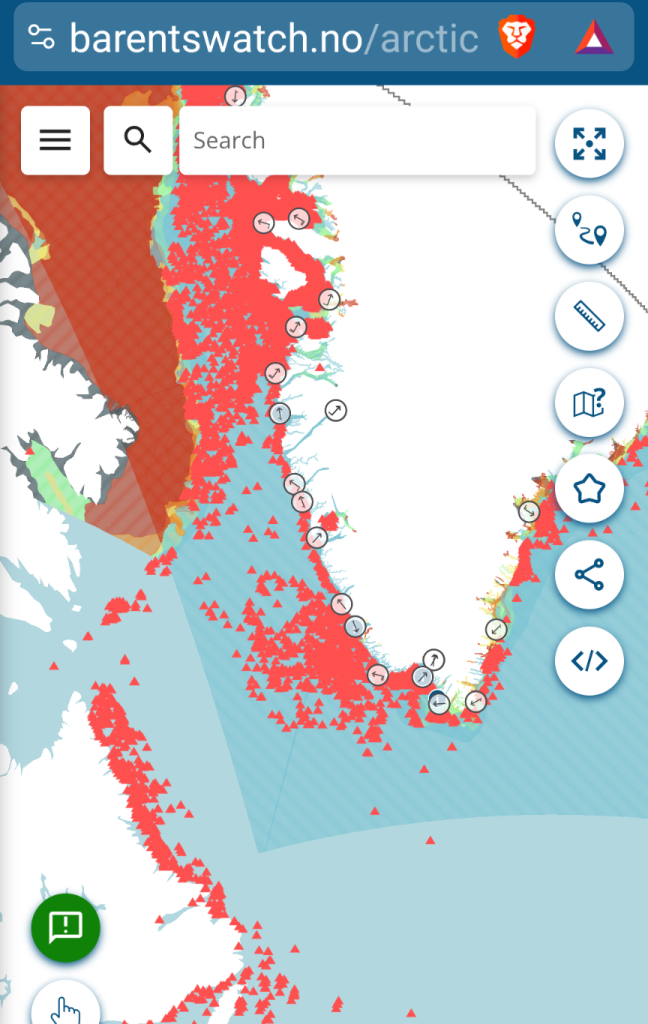
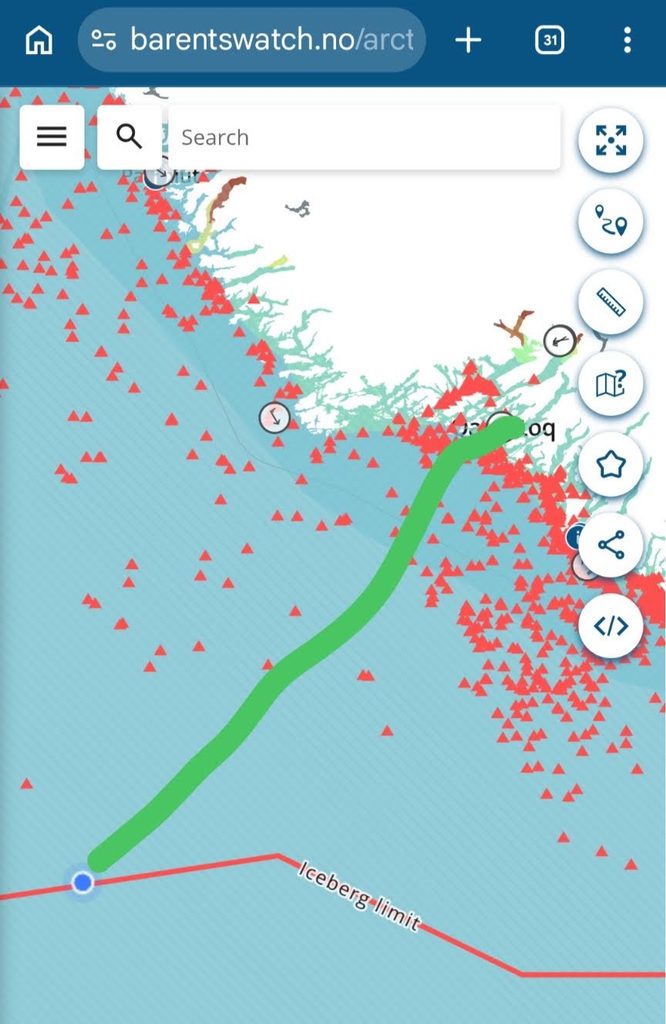
Checking the forecast prompted a change in our plans. The westerly winds expected to carry us to Greenland had still not materialized and a look on the longterm weather forecast revealed no dependable weather window within the next two weeks. Also the iceberg situation was not encouraging. When checking the information on BarentsWatch, a Norwegian government information system and coastal monitoring program, it looked as if the area around Qarquartoq, where we wanted to make landfall in Greenland, was pretty closed up with icebergs. A tight belt of icebergs we did not want to go through.
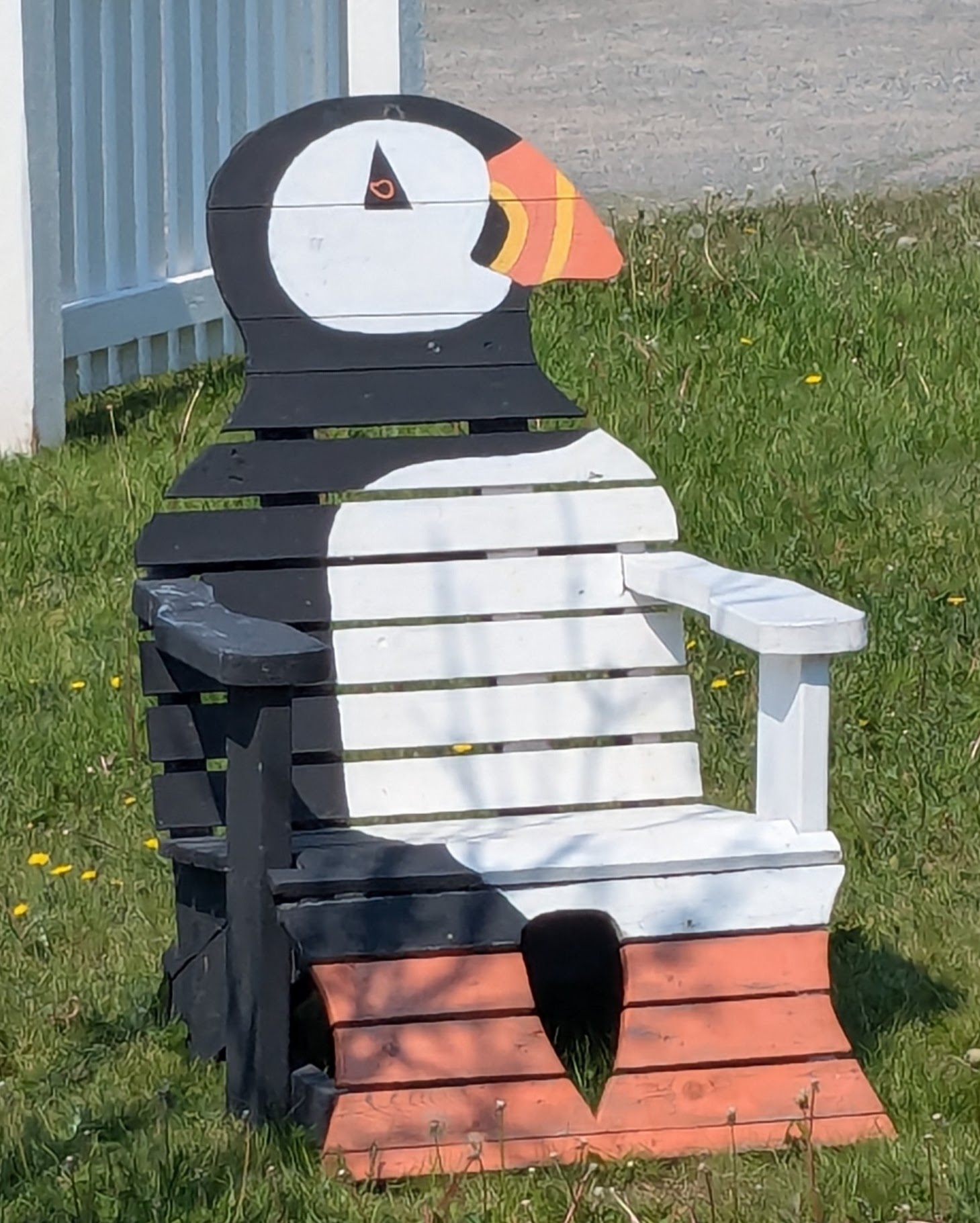
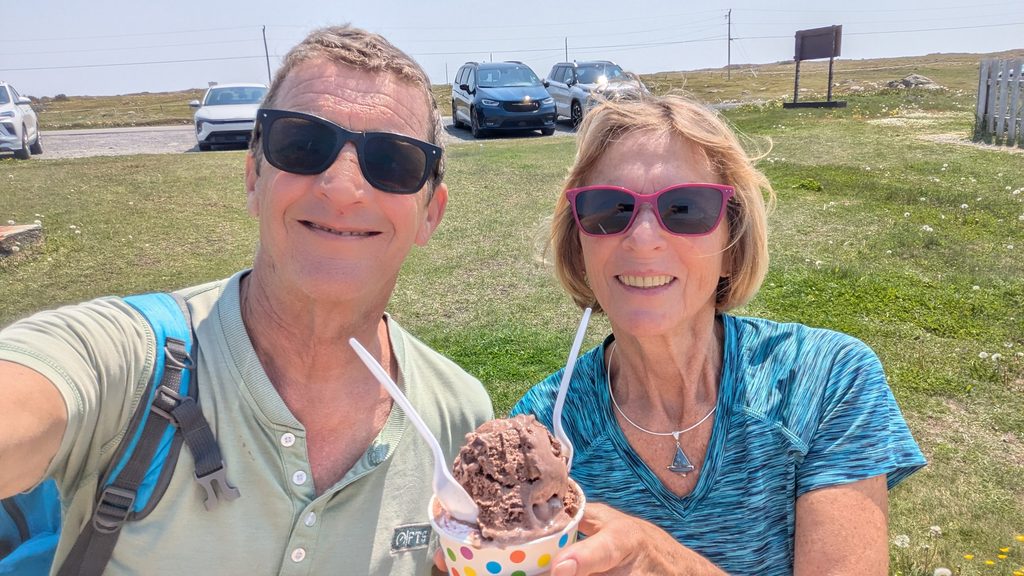
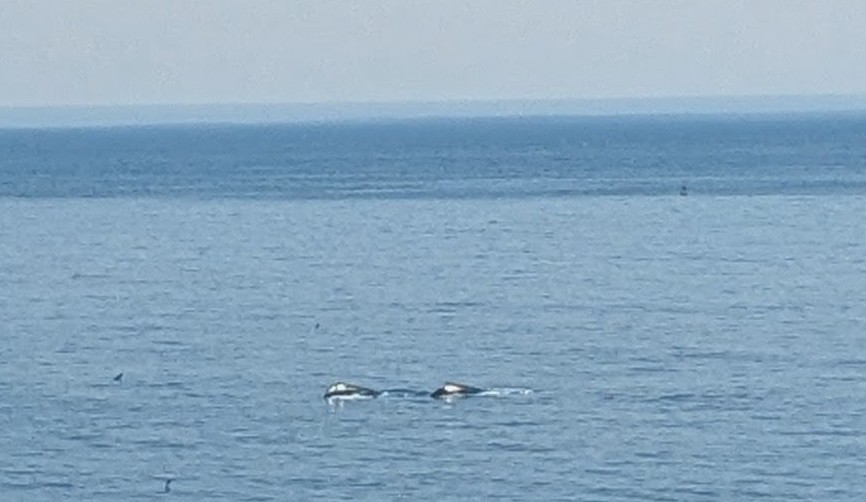
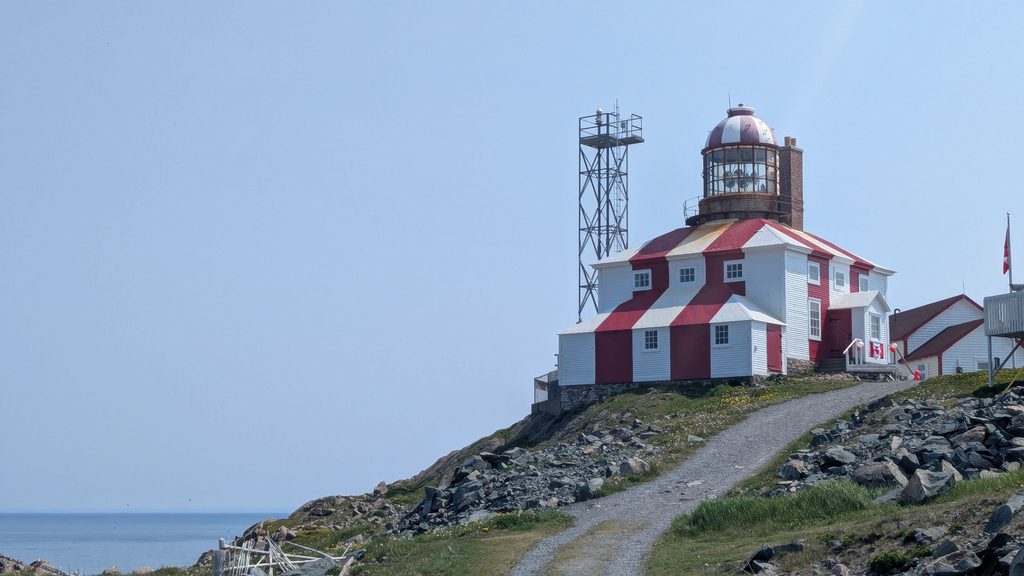
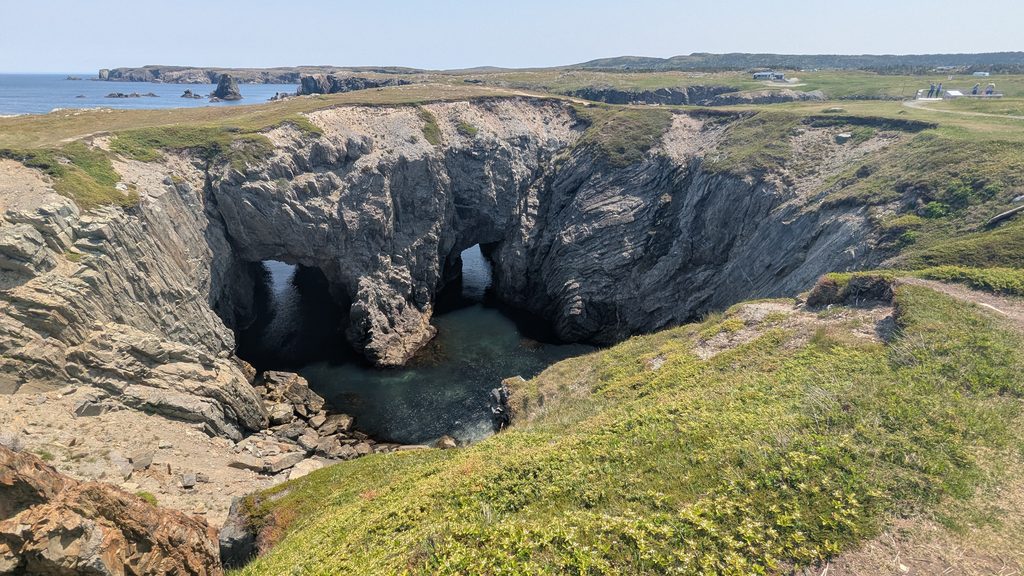
Rather than sitting idly while waiting for an opportune weather window, we chose to continue sailing along the Newfoundland coast until more favorable conditions arose. First stop was the little town of Bonavista from where we took a bike ride to Cape Bonavista, known for whale sightings and puffin colonies. While we were fortunate enough to spot both, our cameras weren’t good enough to capture share-worthy photos. The way back led us through the Dungeons Provincial Park, a UNESCO geosite featuring interesting rock formations.
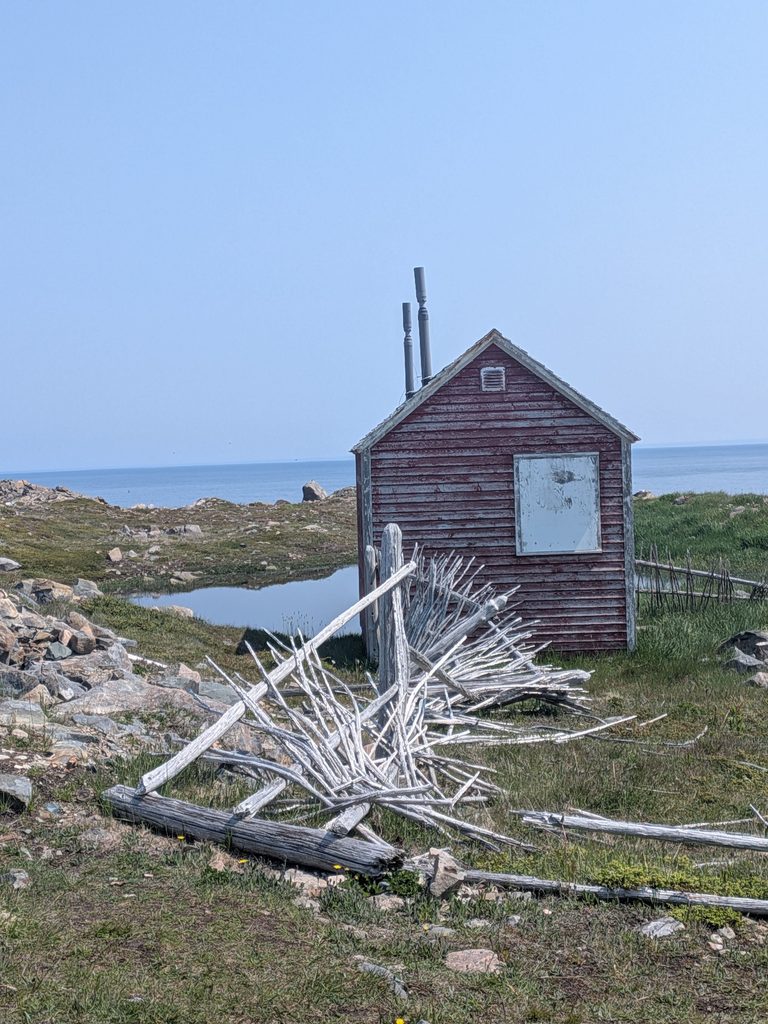

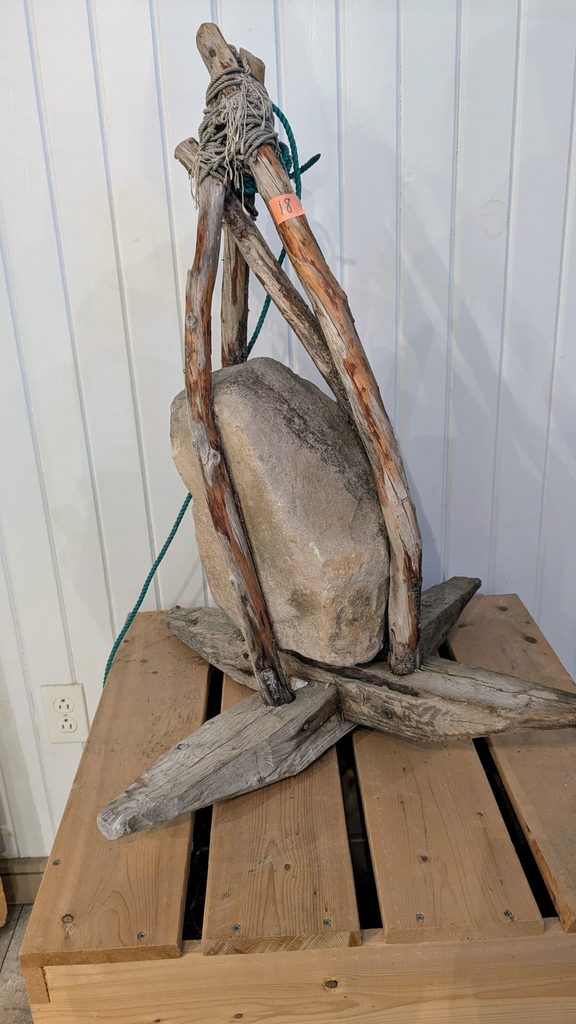
Guess if all fails and you need a new anchor, this is one way to make one!
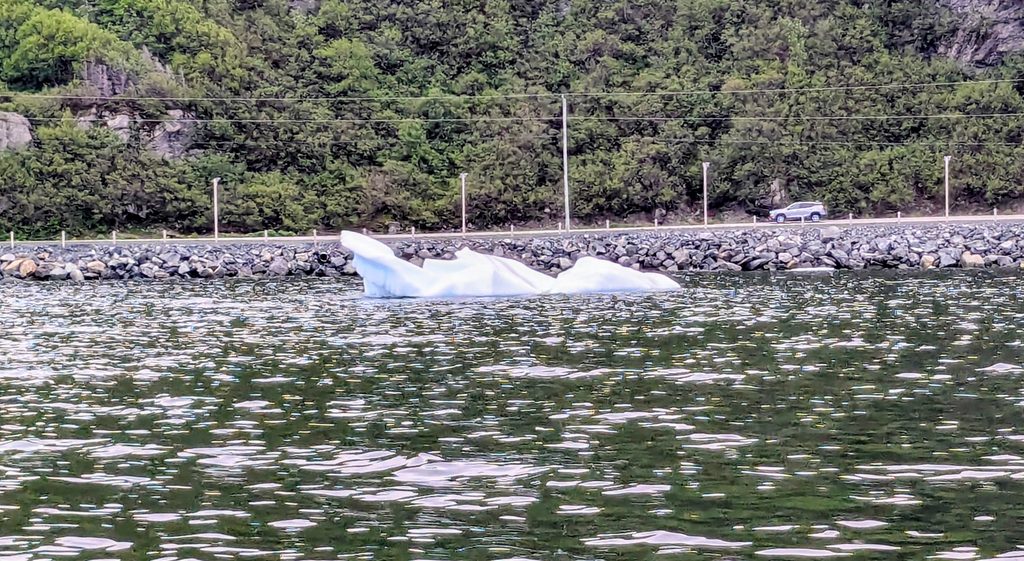
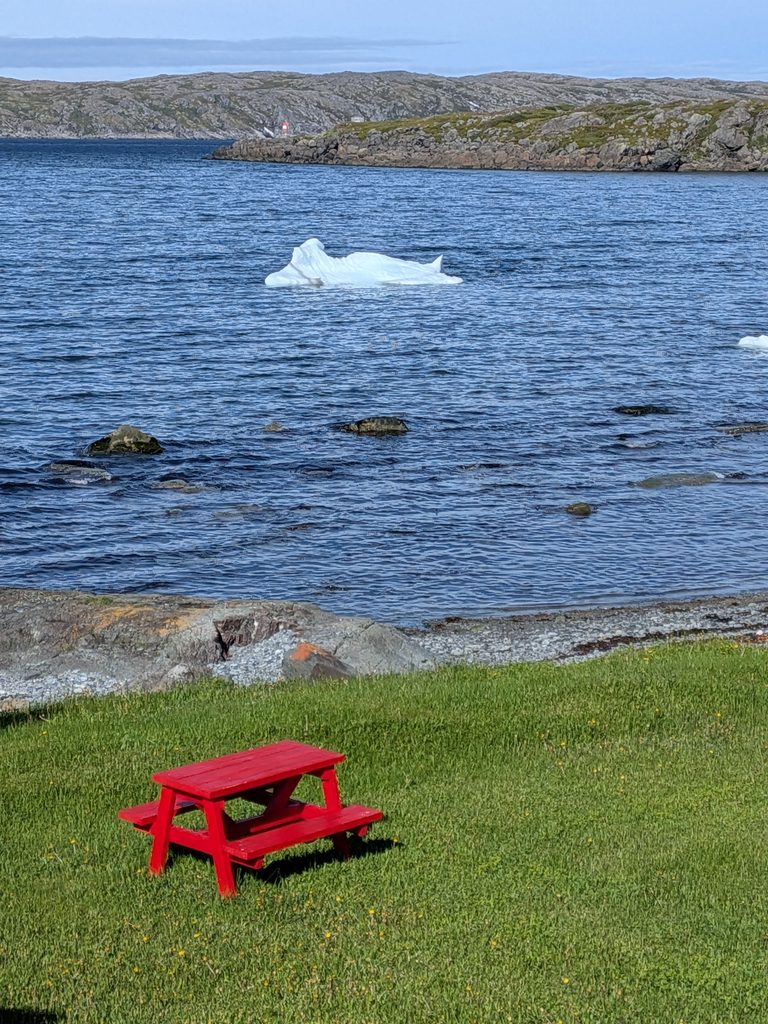
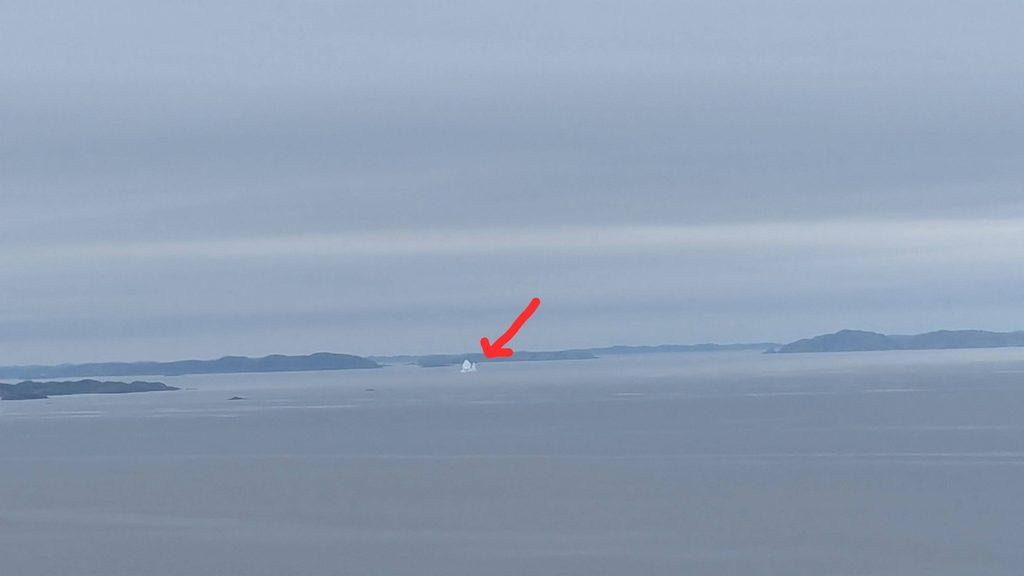
Another stop was Fogo on Fogo island, the largest of the offshore islands of Newfoundland and Labrador. It is bordering “Iceberg Alley,” a stretch of the Atlantic Ocean extending from the northern tip of Labrador to the southeast coast of the island of Newfoundland. It is renowned as one of the best places in the world to view massive icebergs which drift southward from Greenland via the Labrador current. While we did not see “massive” icebergs, we got our first glimpse of what might lie ahead.
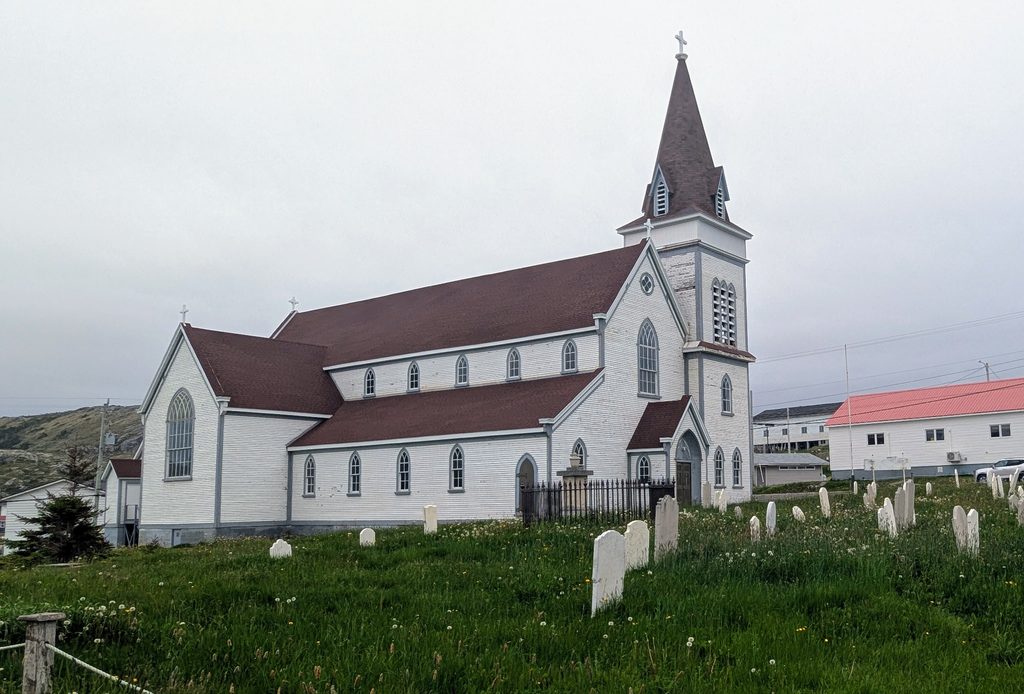
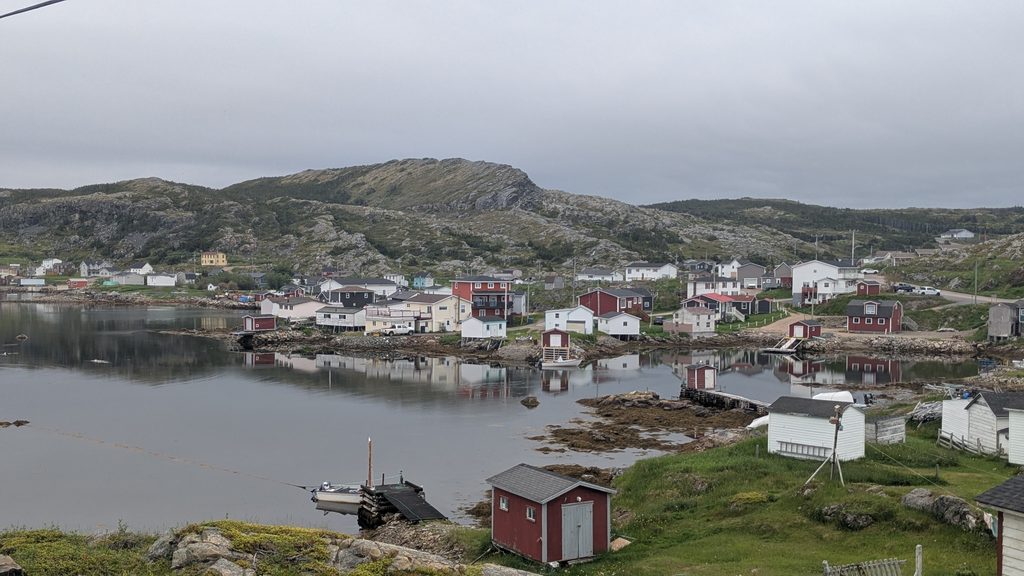
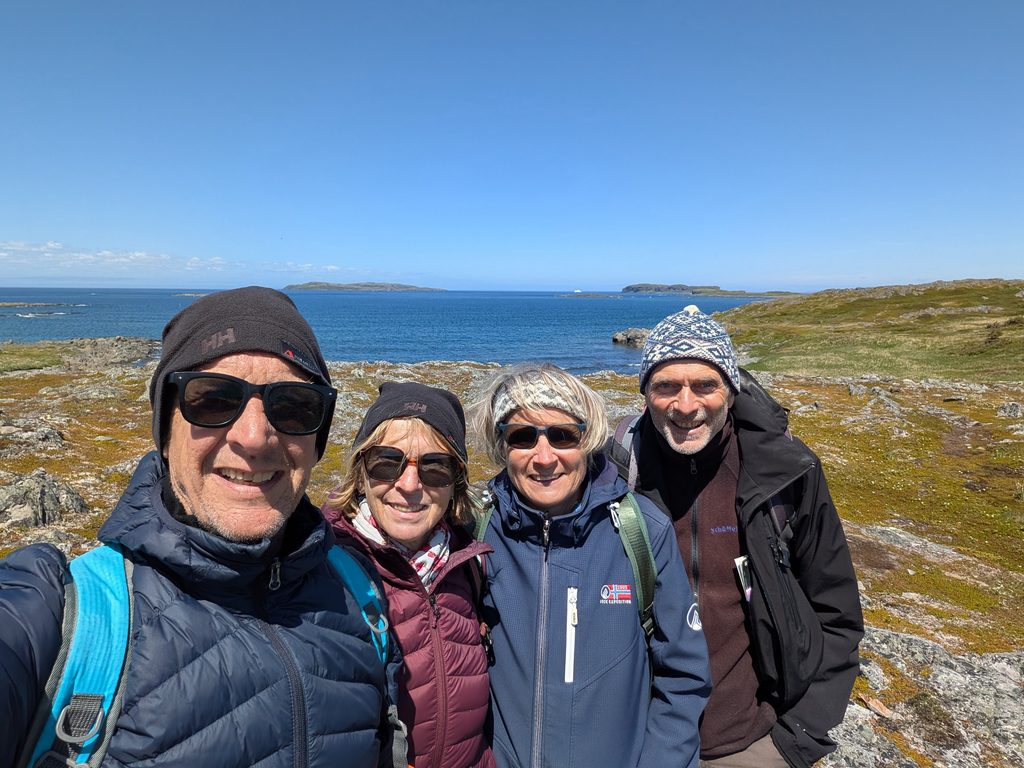
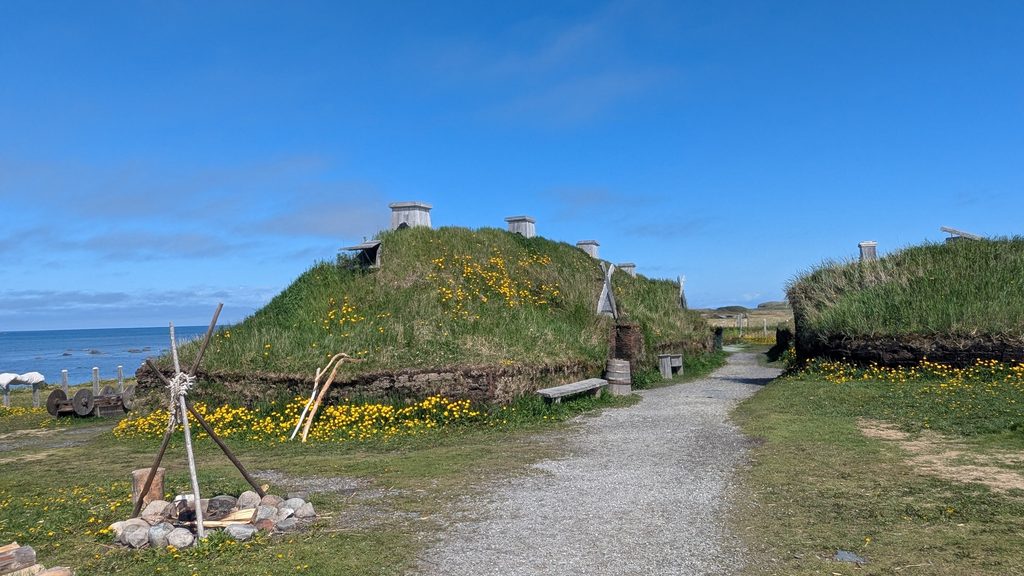
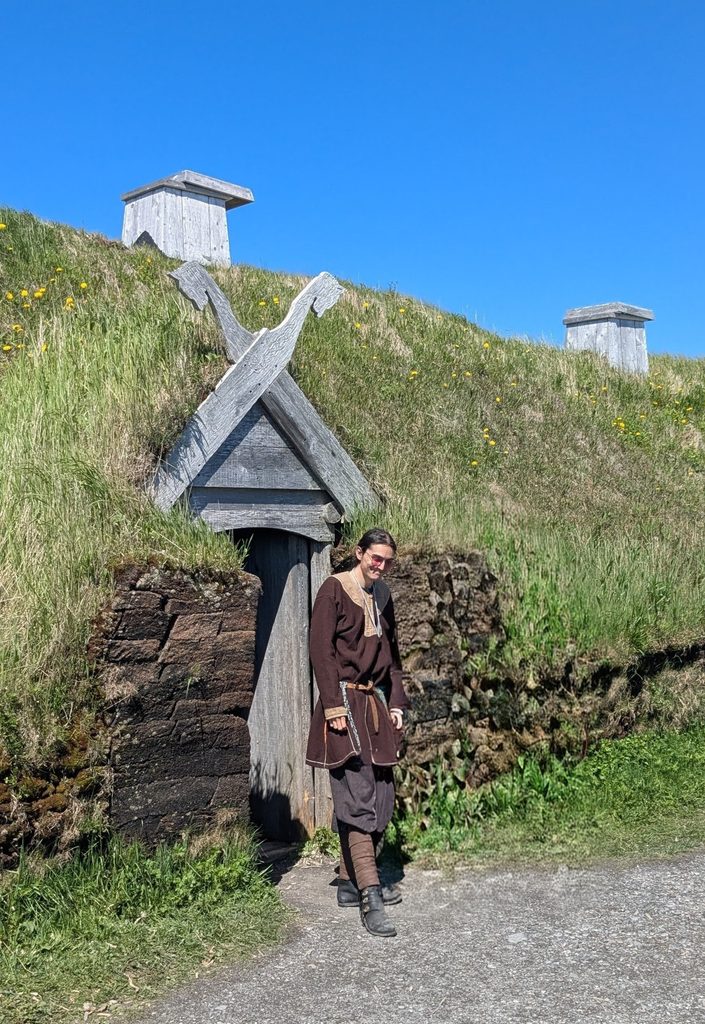
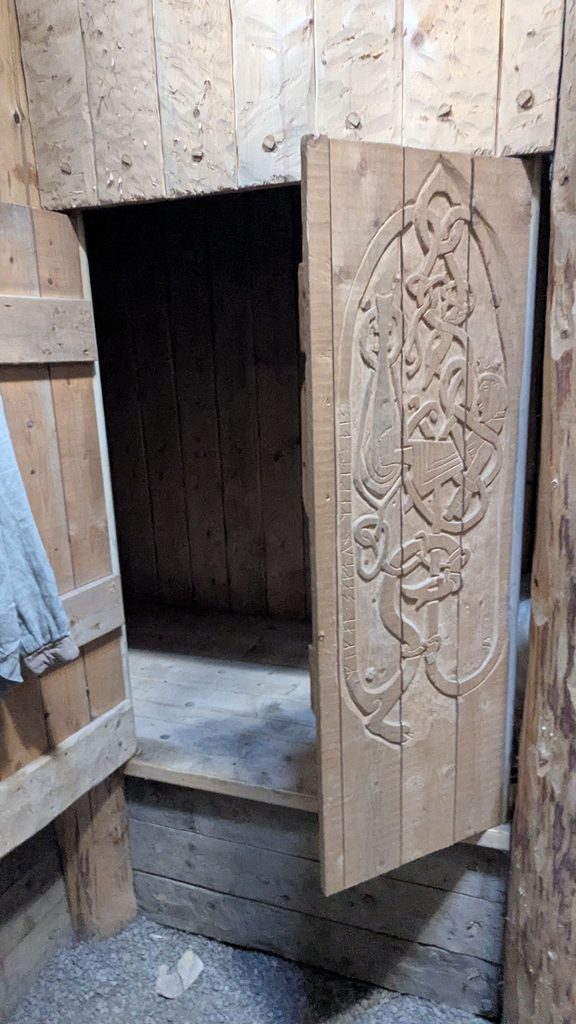
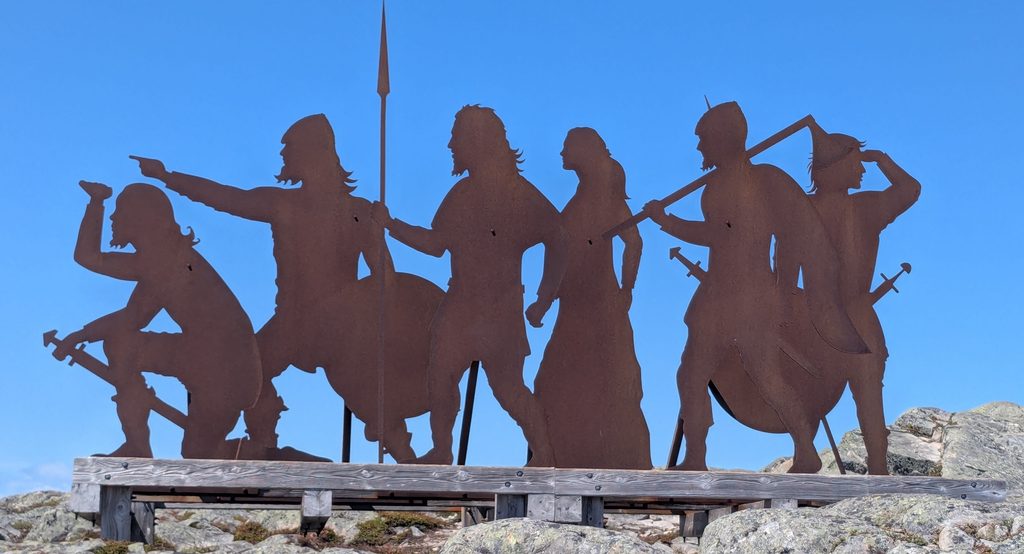
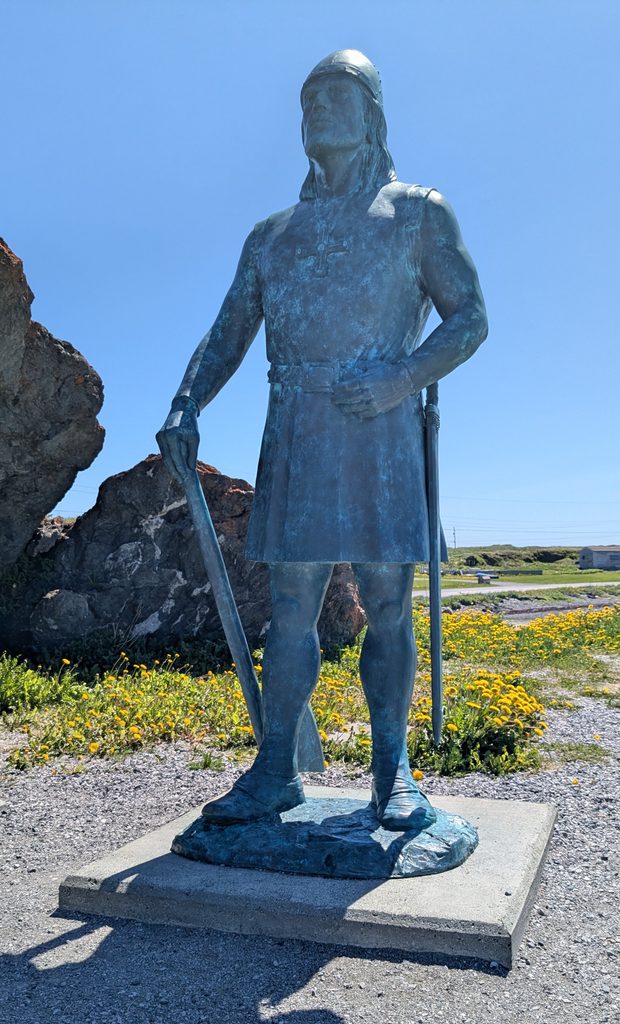
Still waiting on the westerly winds, we had time to sail to St. Anthony. There, we planned to rent a car with Claus and Katrin, whom we first met in St.John’s and bumped into again in Bonavista, to visit L’Anse aux Meadows National Historic Site, a UNESCO World Heritage Site. It is the only authenticated Norse site in North America and represents the earliest known evidence of Europeans on the continent. Under the leadership of Leif Erikson, a group of 60 to 90 people established a settlement featuring turf-walled structures. Archaeological data and the Vinland Sagas suggest the settlement was used continuously for only a few years (roughly 10 years or less) before being orderly abandoned.
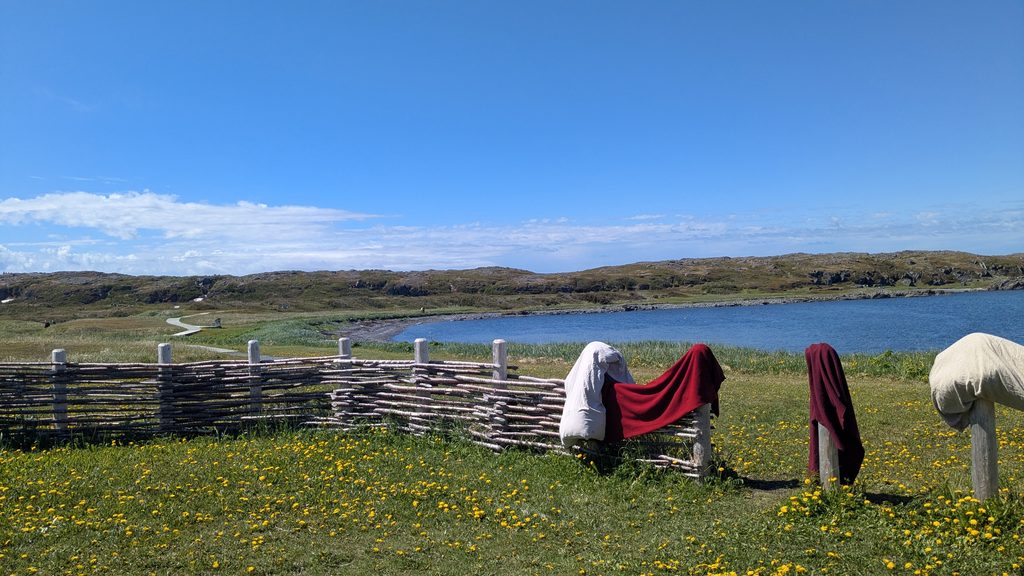
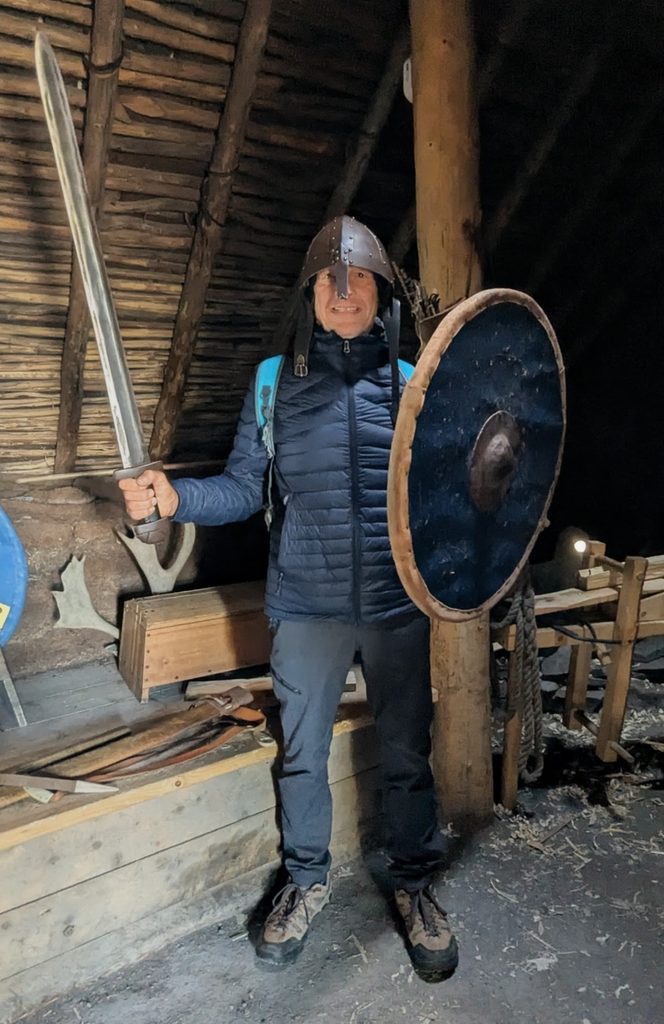
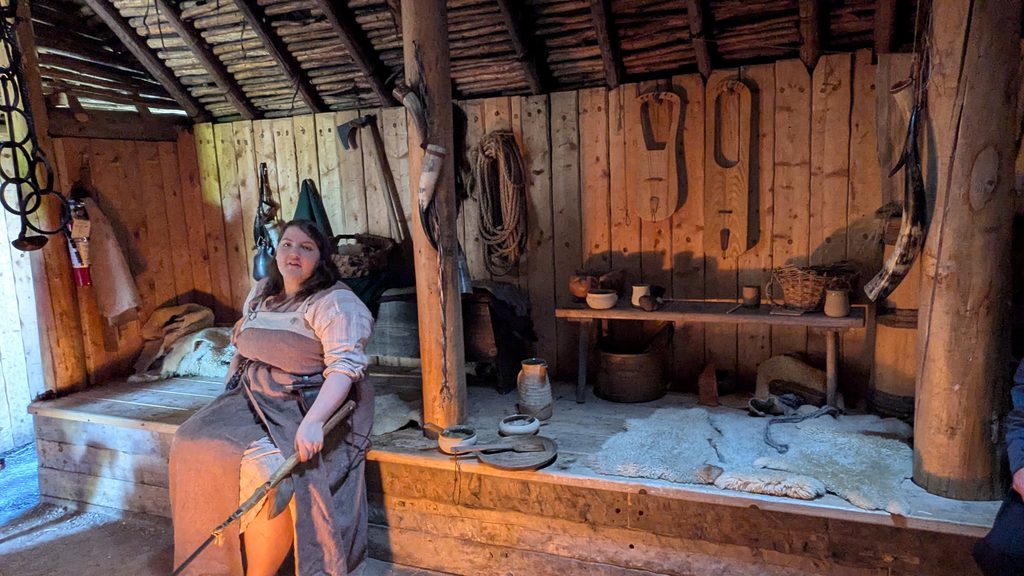
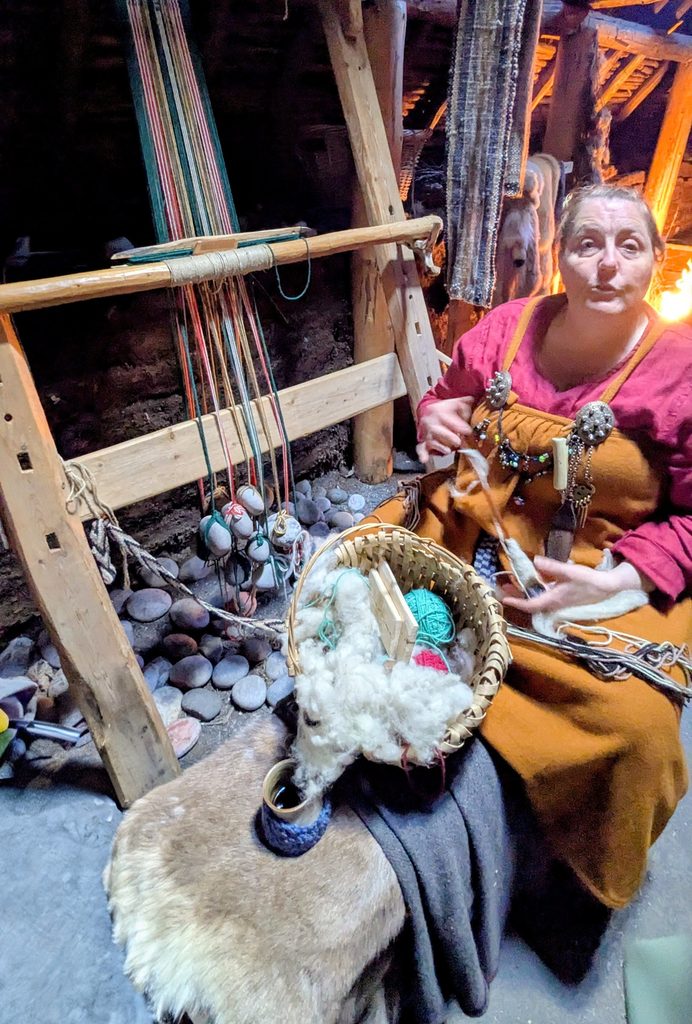
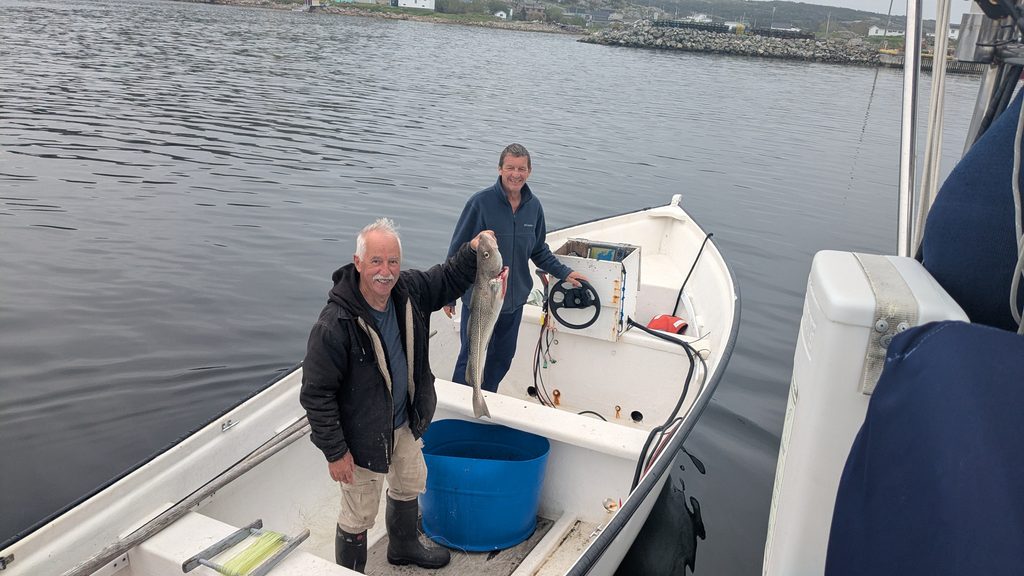
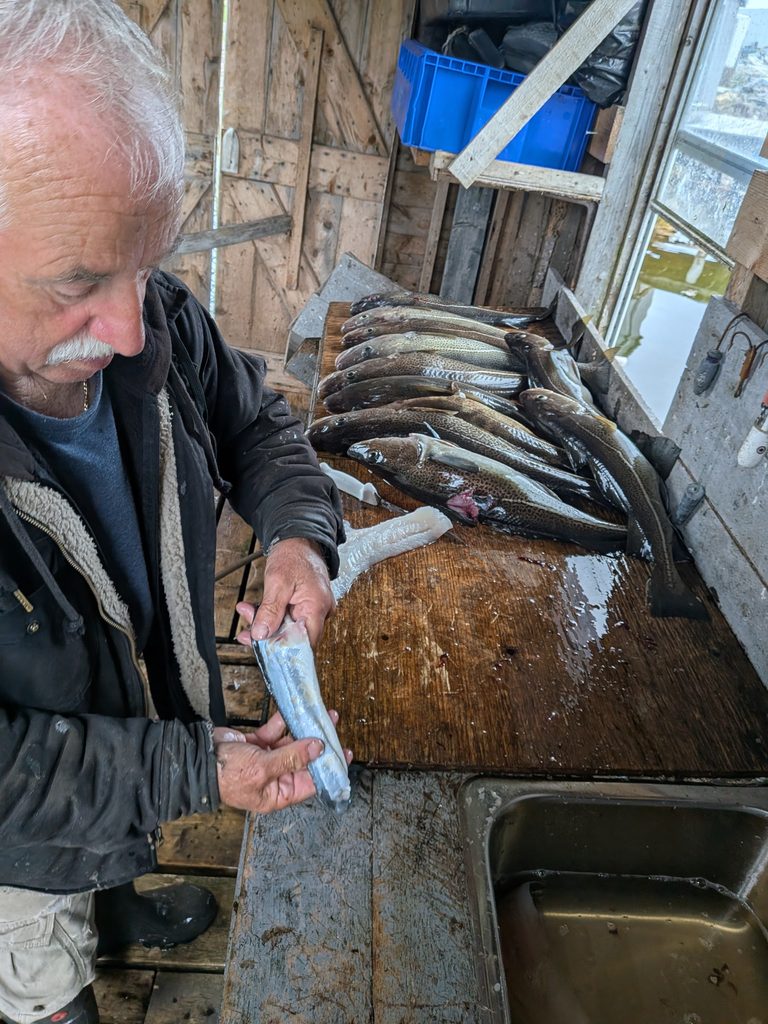
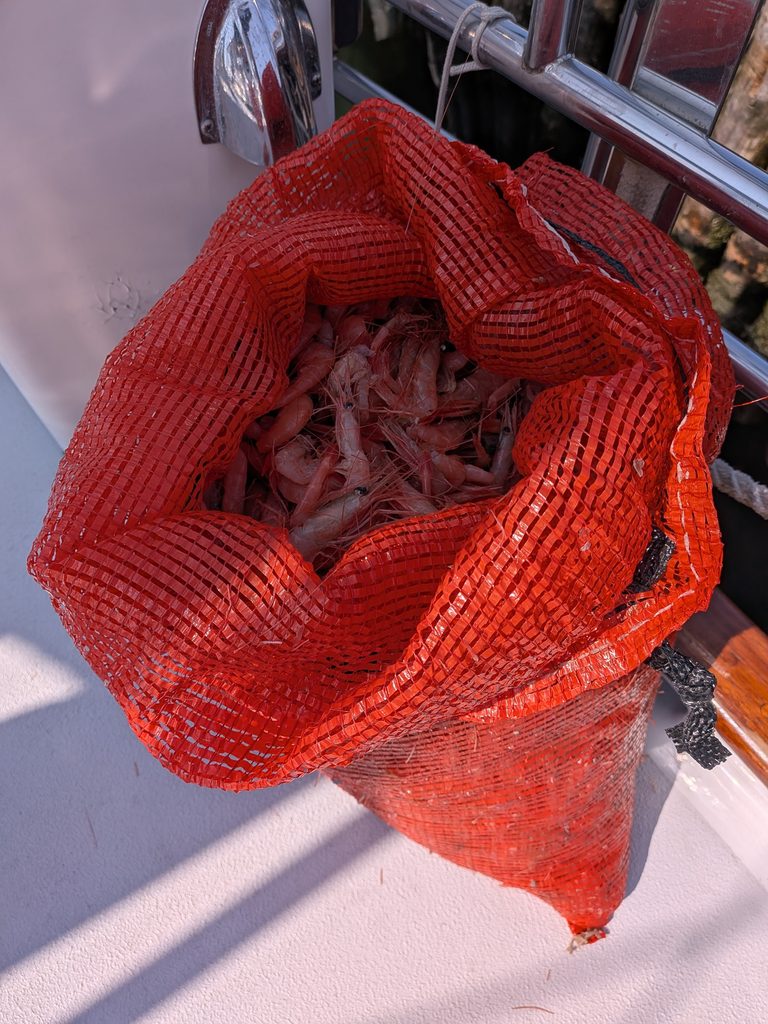
We got to know the people of Newfoundland as extraordinarily friendly and generous. On multiple occasions, local fishermen stopped by just to gift us freshly caught fish, and once, an enormous bag of shrimp. But the true highlight occurred in St. Anthony, where a resident named Scott saw us struggling to dock against a heavy wind. Without hesitation, he jumped into his truck and drove eight miles around the bay to assist. By the time he arrived we had already managed to secure the boat, so we had a nice little chat. About thirty minutes after Scott left, he returned with a bag of freshly caught cod and two packages of frozen moose meat—an incredible gesture of kindness that is truly unbeatable.

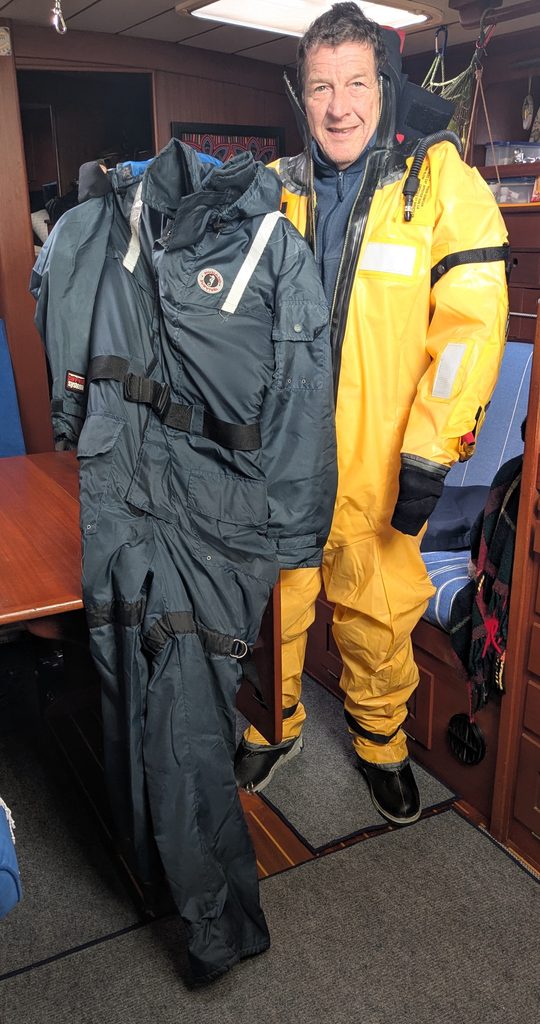
In anticipation of the cold climate, we had been thinking about buying survival suits to ensure we were prepared just in case we had to abandon ship into the water or our emergency raft. We learned that there is the possibility to buy them from commercial fishing and tour boats who replace their suits every few years. And sure enough, we managed to secure two suits – completely free of charge!
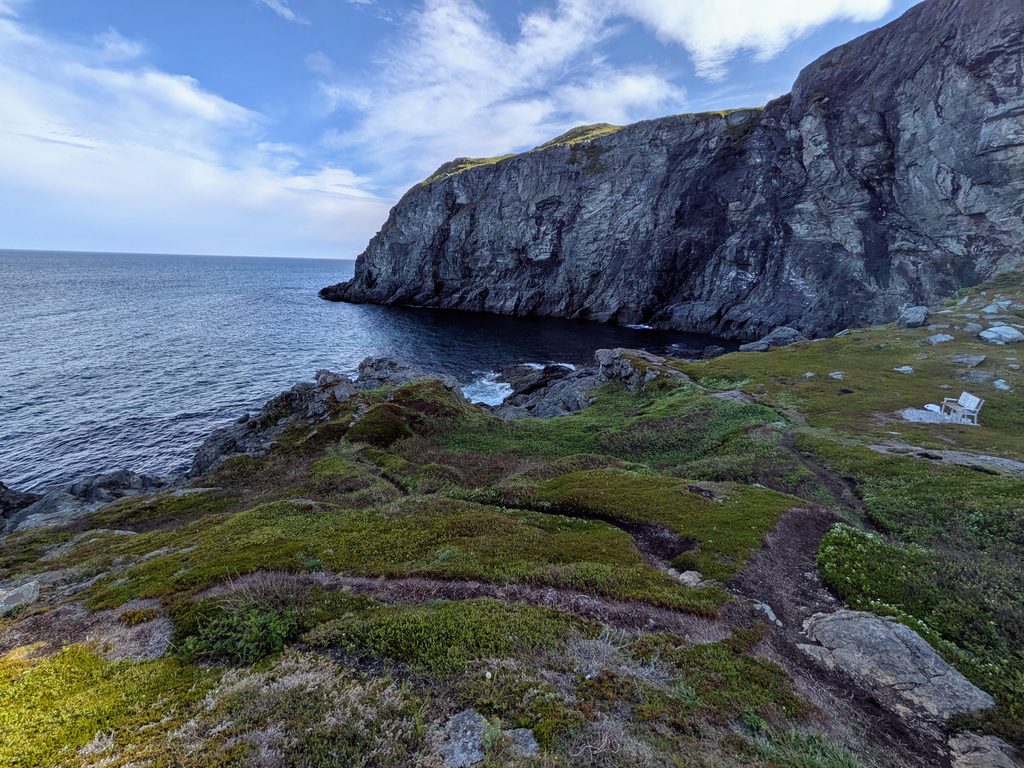
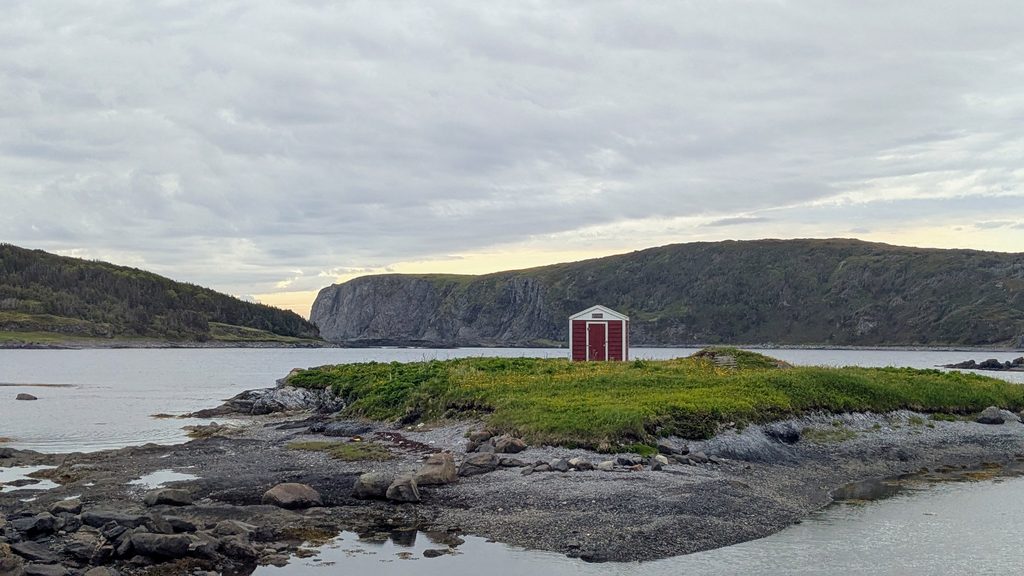
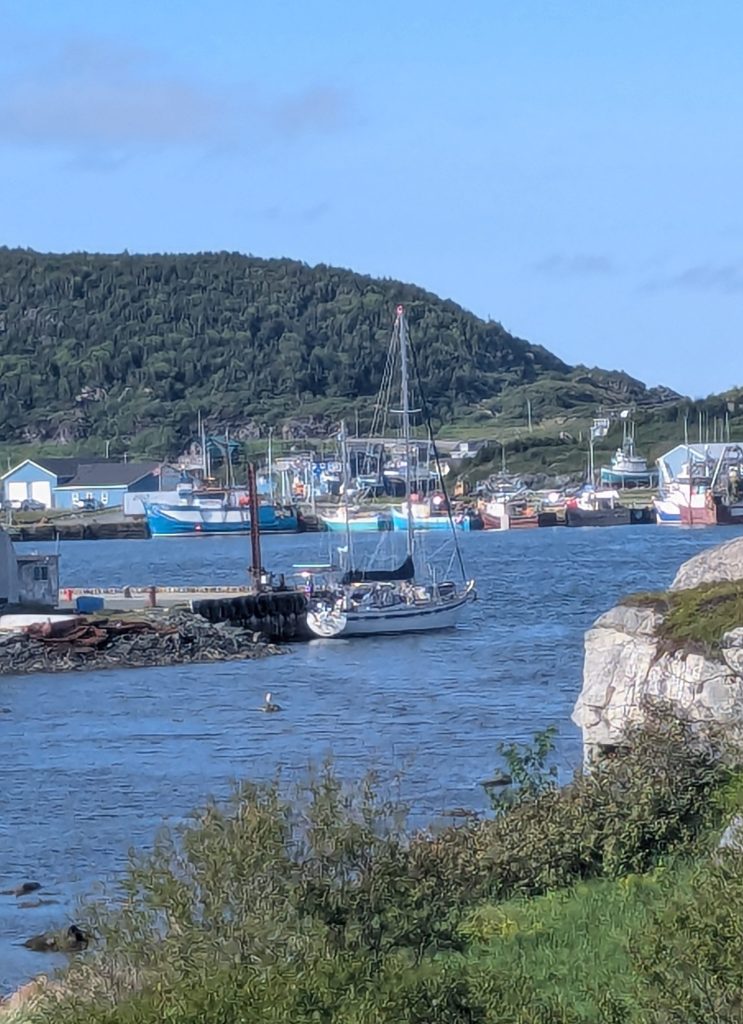
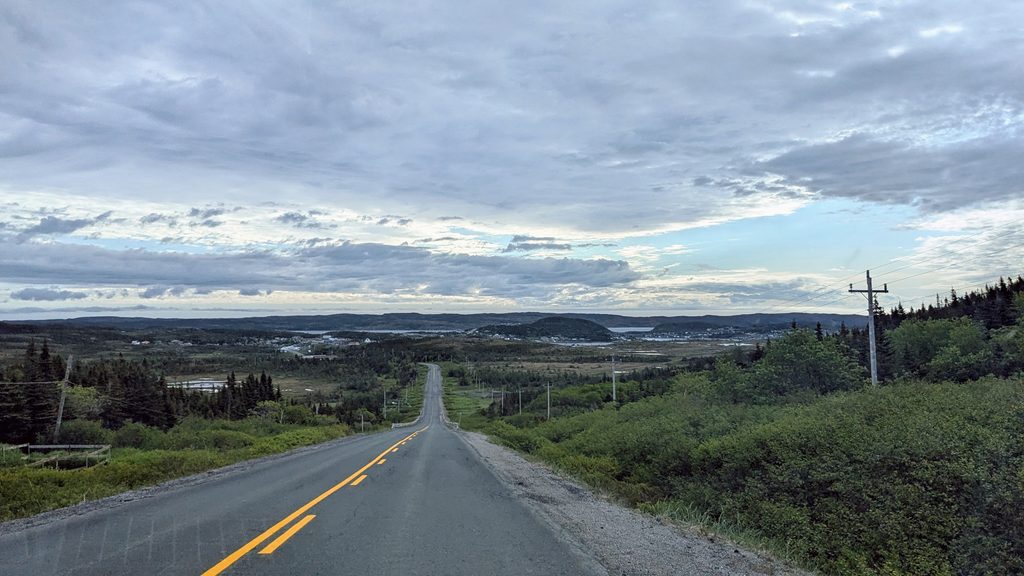
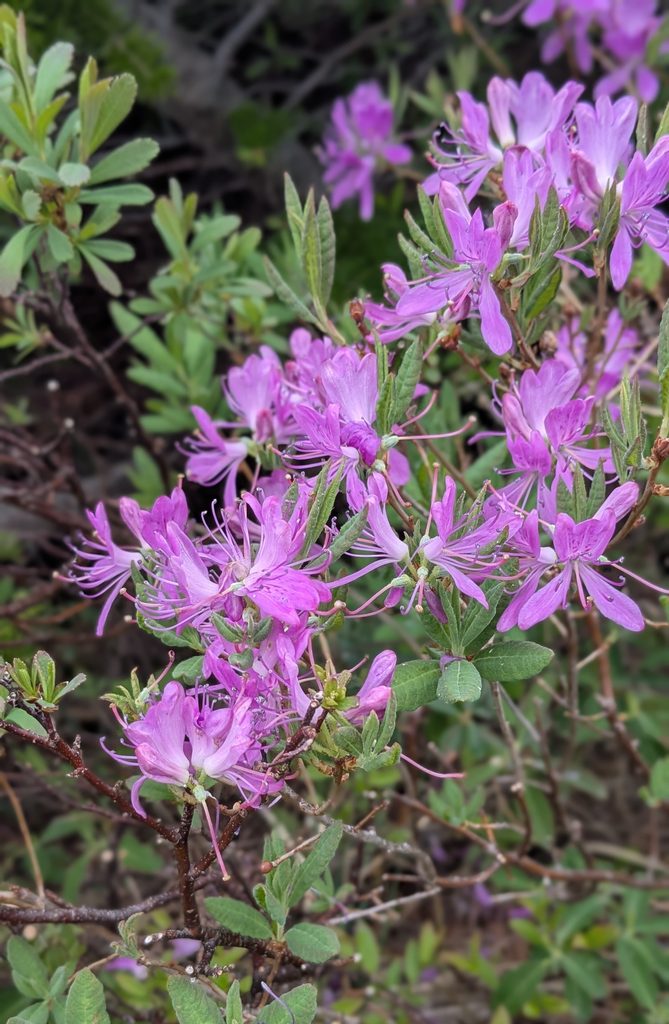
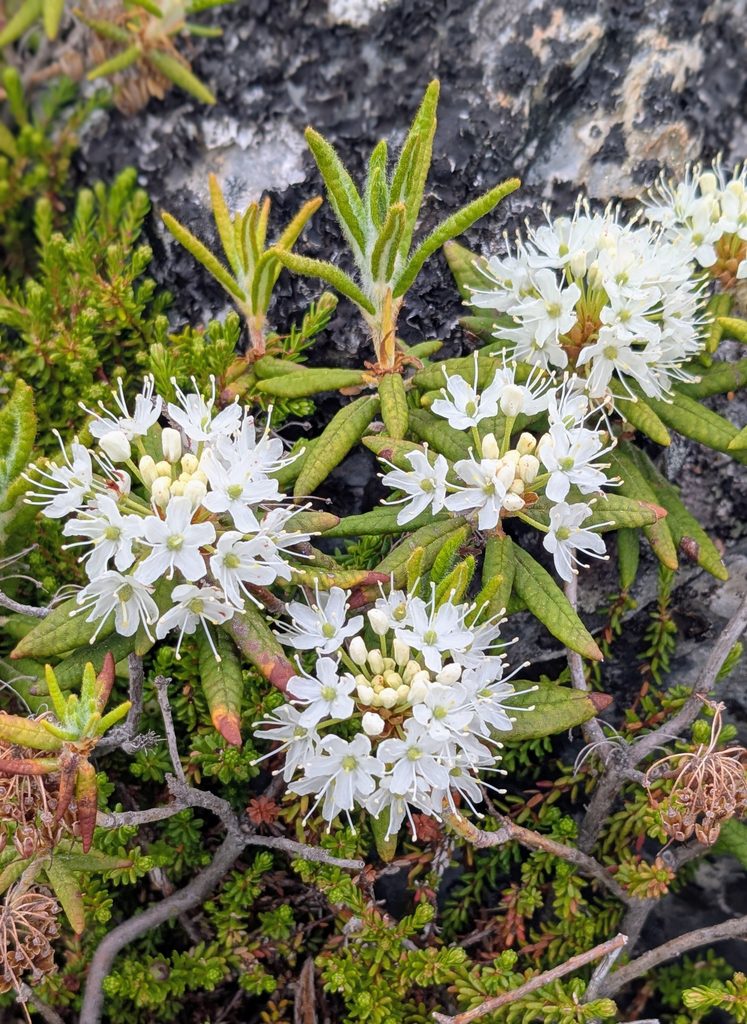
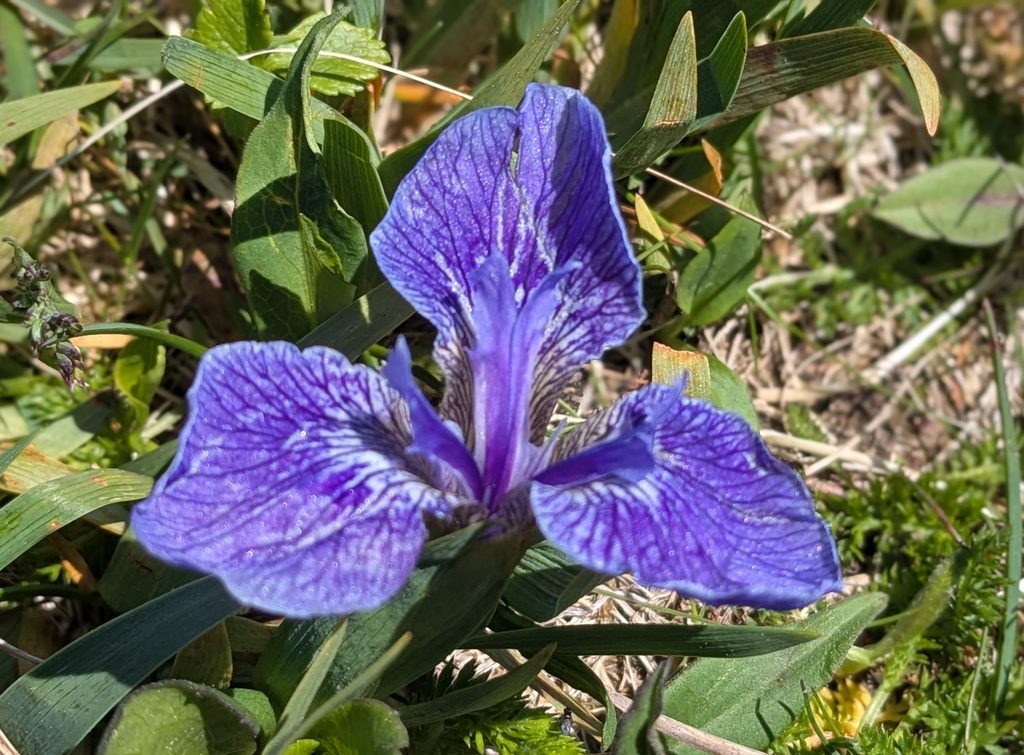
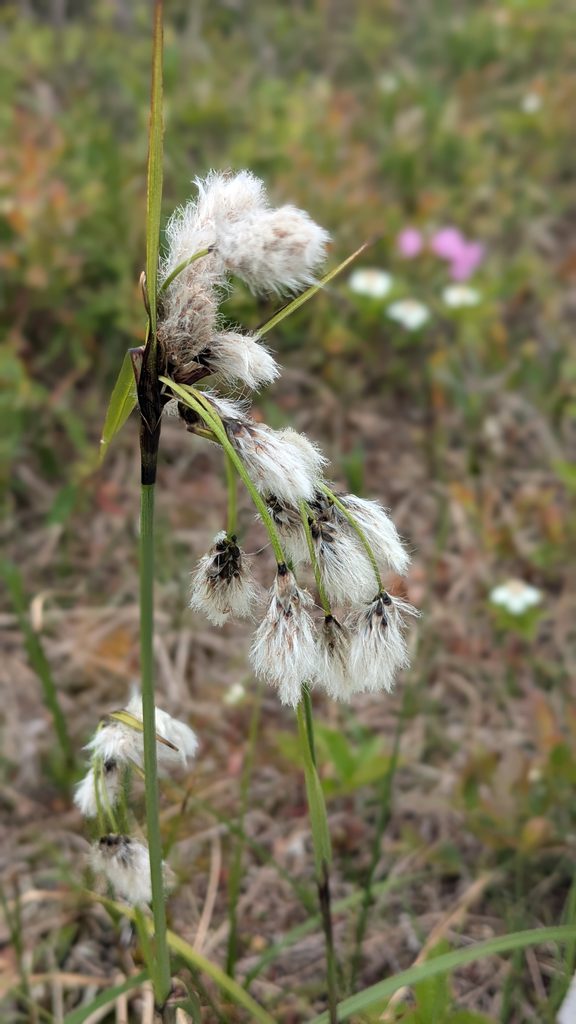
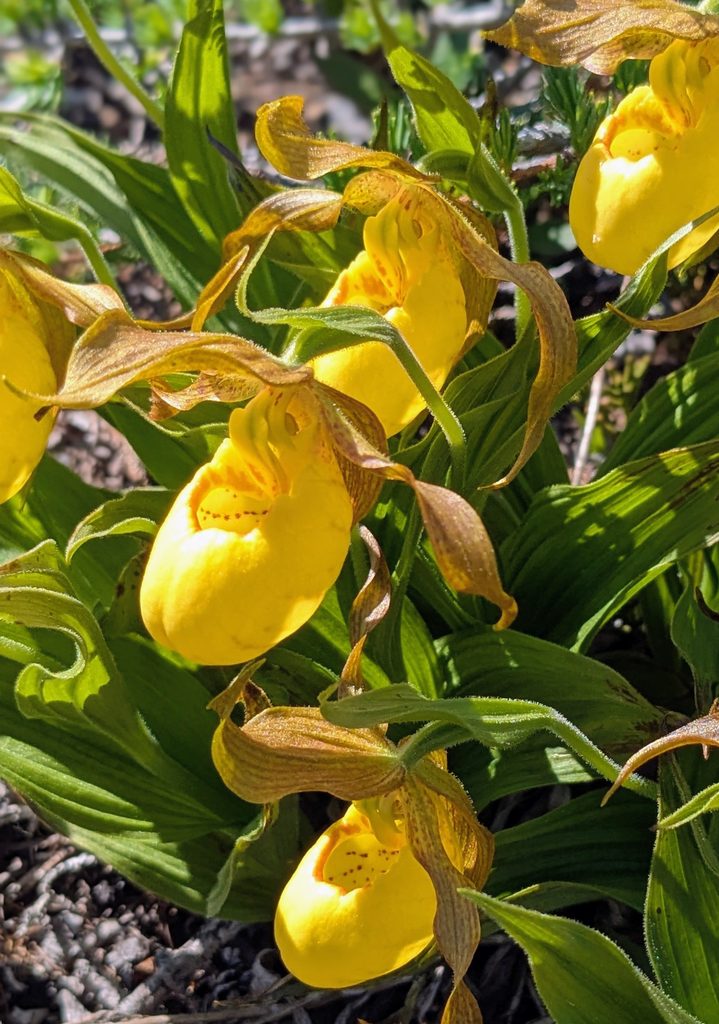
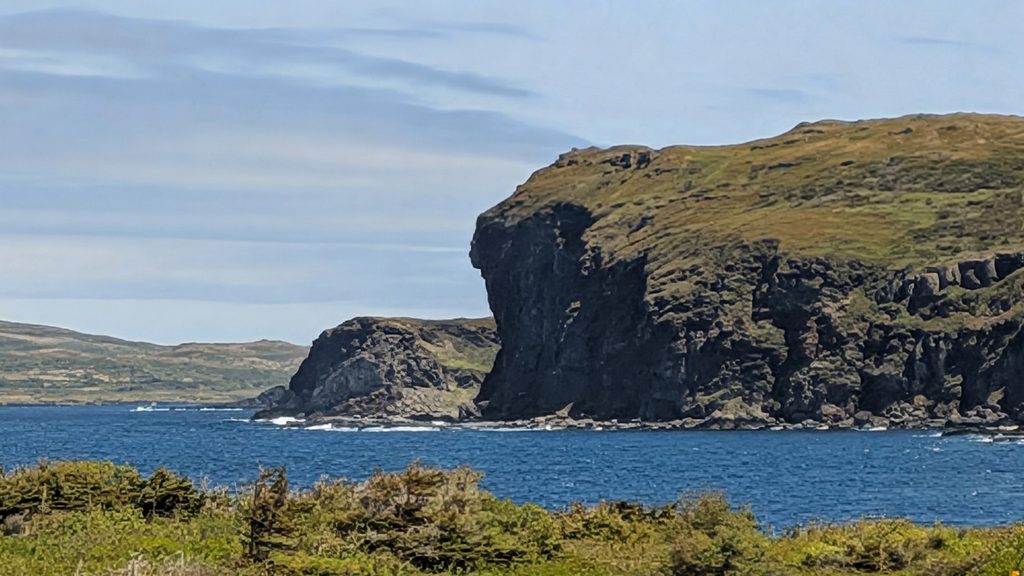
We were captivated by the sheer, dark rock faces and jagged headlands that define the rugged coast of Newfoundland. The interior of the island unfolds as a sweeping expanse of dense coniferous forests and sprawling peat bogs. Yet, nestled amidst this wild landscape, we constantly stumbled upon delicate, vibrant flowers that added cheerful dots of color to the scenery.
By July 7, the ice conditions around southern Greenland had improved significantly, and a promising weather window for the roughly 700-nautical-mile voyage to Qaqortoq had opened up. While favorable winds wouldn’t hold the entire way, we would rather use the engine over dealing with stormy seas.
Leave a Reply